November 5, 2026
Water scarcity challenges communities and property managers worldwide, making efficient resource stewardship an absolute necessity rather than an optional pursuit. Embracing cutting-edge outdoor technology enables property owners to nurture verdant landscapes and robust crops while actively protecting shared reserves. Advanced techniques demonstrate that responsible environmental management never demands sacrificing healthy growth, vibrant curb appeal, or agricultural productivity.
Evolve Beyond Outdated Delivery Methods
Traditional irrigation methods frequently waste substantial volumes of moisture through wind evaporation, mist drift, and excessive ground saturation. Conventional techniques struggle to distribute water uniformly, which frequently leads to saturated roots, nutrient runoff, and patchy surface growth across varied terrain. Modern methods eliminate these inefficiencies by distributing precise volumes directly to targeted foliage zones during optimal absorption windows.
According to research documented by the U.S. EPA, maintaining a properly operated irrigation system empowers households to lower their exterior water consumption by 15%, conserving approximately 7,600 gallons annually. Applying these conservation principles across larger acreage produces tremendous cumulative savings across entire regional watersheds. Targeted hydrologic delivery establishes an ideal balance, promoting resilient root networks while curbing unnecessary loss into local drainage systems.
Integrate Precision Delivery Hardware
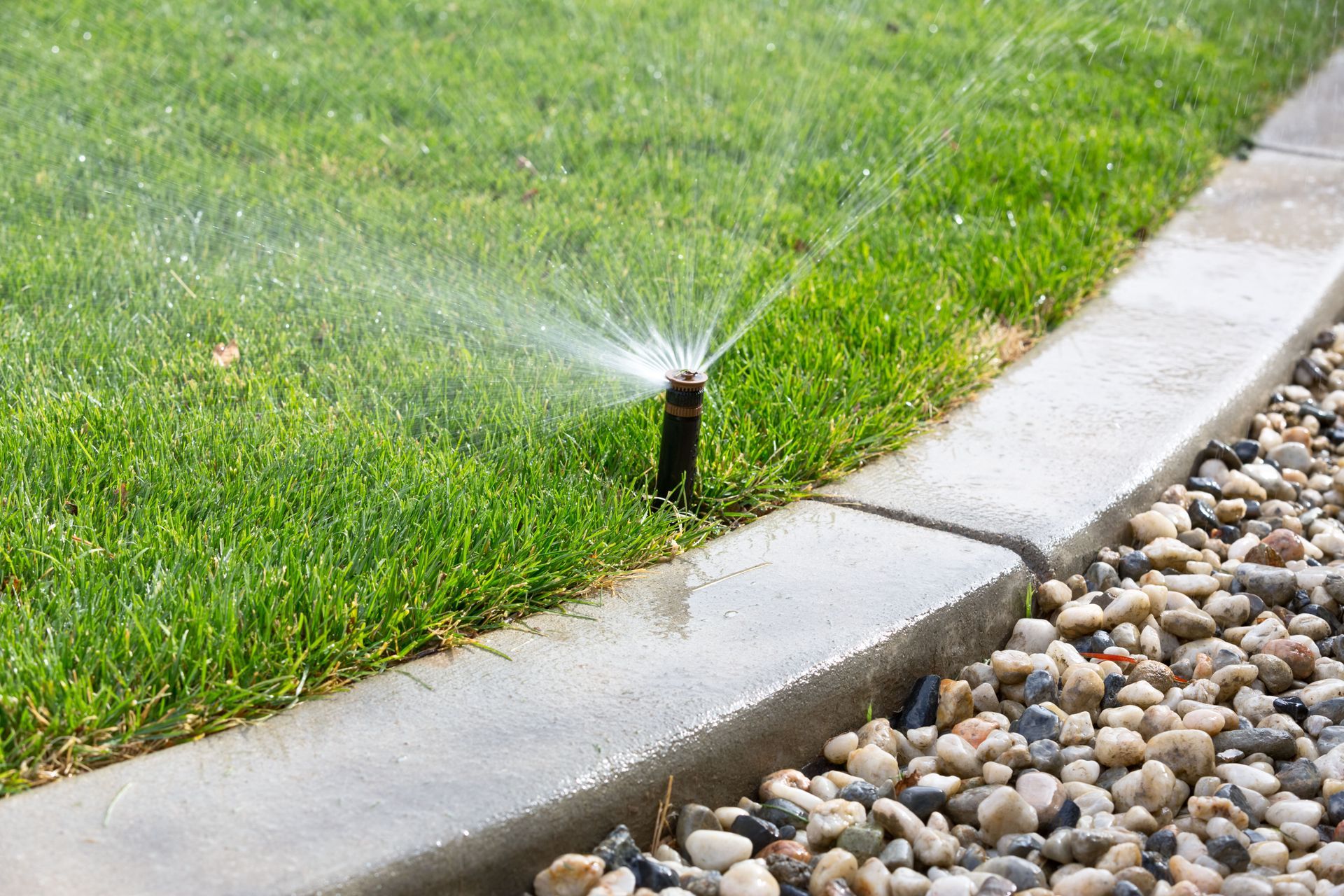
Modern design relies on specialized hardware engineered to direct every drop toward root networks with minimal loss. Upgrading an outdoor property with a dependable irrigation system ensures that delicate plantings receive adequate hydration without drowning fragile root zones. Operating at lower pressures, these precision components minimize mist drift and curb wasteful evaporation before water hits the surface.
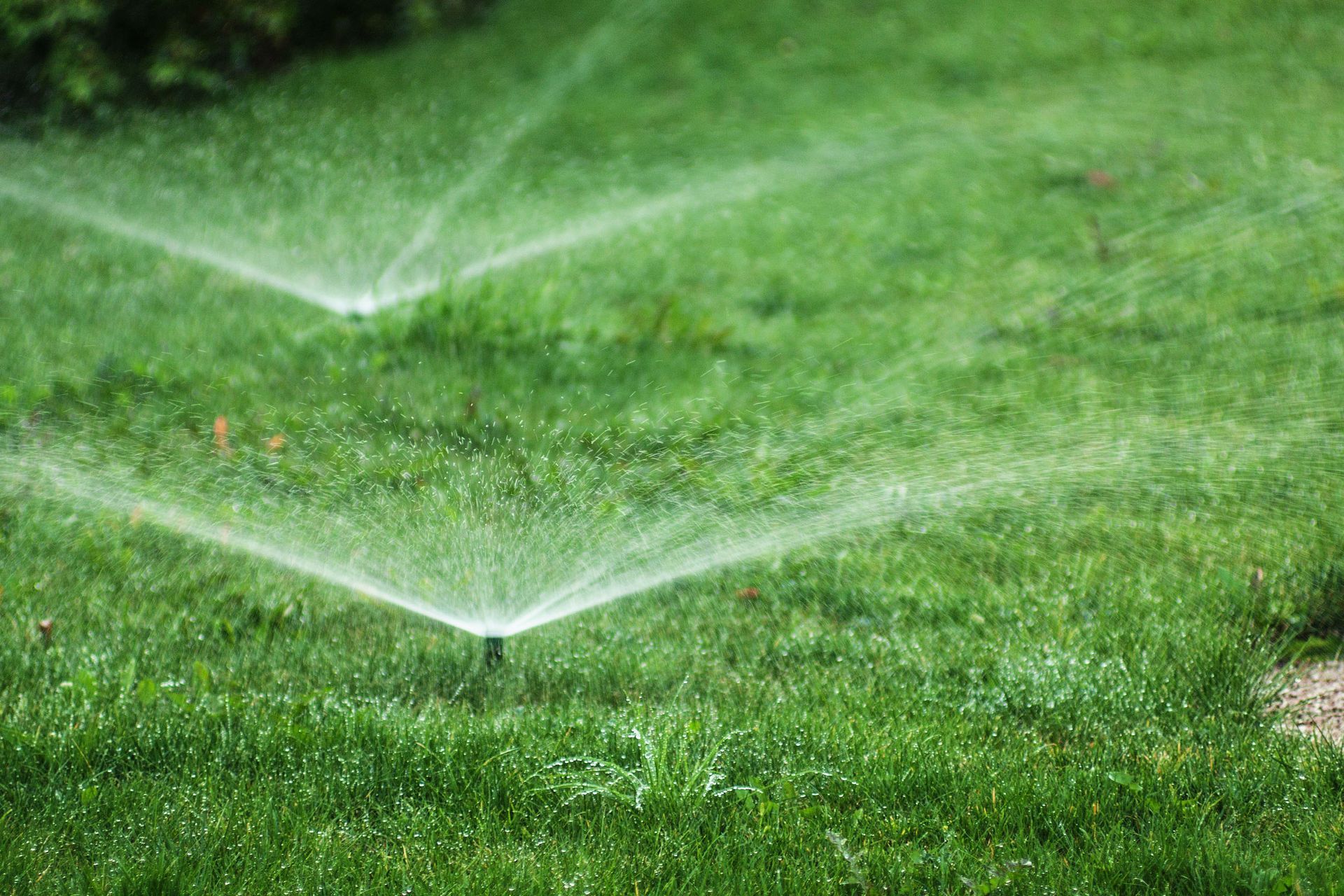
Drip tubing delivers moisture directly to root zones, bypassing non-targeted weed patches and drastically lowering ambient surface humidity. Low-trajectory nozzles and rotary stream heads distribute uniform moisture across turf, remaining resilient against sudden midday wind interference. Subsurface plumbing introduces moisture beneath the turf, shielding water from midday heat and encouraging deep taproot penetration.
Implement Intelligent Environmental Sensors
Automated controllers and specialized field sensors serve as the central nervous system for modern outdoor hydration networks. Weather-responsive units evaluate regional temperature shifts, relative atmospheric humidity, rainfall totals, and solar radiation to adjust hydration runtimes automatically. An intelligent irrigation system utilizes in-ground moisture probes to monitor soil conditions in real time, preventing automated activation cycles whenever adequate rainwater remains trapped in root zones.
Property owners no longer need to depend on inflexible manual timers that run during unexpected thunderstorms. Upgraded controllers calculate site-specific evapotranspiration rates to replace only the moisture lost to natural transpiration. Automated adjustments remove human error, protecting surrounding vegetation from fungal diseases that thrive in soggy conditions while saving utility resources.
Boost Soil Health and Productivity
Strategic hydration scheduling strengthens soil structure by reducing compaction, soil erosion, and harmful nutrient leaching through sandy subsoil. Uniform application prevents hard surface crusting, allowing essential oxygen and supplemental organic nutrients to penetrate deeply around emerging roots. A calibrated irrigation system encourages root systems to grow downward through measured soakings, creating resilience against prolonged heatwaves and surface drought stress.
Eliminating saturation peaks protects beneficial mycorrhizal fungi and vital microbiological communities thriving in upper soil profiles. Healthy, well-aerated soil structures retain valuable moisture longer, steadily reducing the frequency of required watering sessions throughout hot summer afternoons. Landscapes treated with balanced hydration cycles display superior leaf vibrancy, withstand common pests, and resist weed infestations naturally.
Harvest Significant Operational Savings
Transitioning toward resource-efficient equipment generates undeniable economic advantages that offset upfront installation expenses through long-term utility reduction. Decreasing monthly utility bills constitutes the most direct reward, but minimizing system runtimes also extends hardware longevity. Operating a modern irrigation system reduces strain on domestic plumbing valves, high-pressure fittings, booster pumps, and line couplings by pumping less overall volume.
Carefully tailored watering limits weed propagation across open beds, which visibly diminishes seasonal labor spent pulling invasives or applying expensive chemical herbicides. Preserving consistent soil moisture shields structural masonry, decorative paths, and driveway foundations from expansive soil cycles caused by excessive runoff. Safeguarding expensive plantings from moisture stress saves substantial capital otherwise spent purchasing replacements when dry weather arrives.
Harness Digital Remote Management
Innovative Internet of Things devices and wireless communication protocols allow property owners to monitor their irrigation system from mobile platforms anywhere. Remote access platforms deliver immediate push notifications concerning pipe fractures, line blockages, or sudden pressure anomalies that cause costly leaks. Immediate visibility enables operators to shut down malfunctioning valves before unnoticed flooding erodes topsoil or damages nearby structural foundations.
Artificial intelligence algorithms evaluate multi-season performance history to recommend scheduling adjustments tailored to evolving planting beds and mature tree canopies. Cloud-connected hardware integrates seamlessly with municipal databases, automating compliance with localized municipal water rationing mandates without requiring manual controller resets. Continuous algorithmic refinement ensures outdoor spaces receive precise moisture replenishment as seasonal weather shifts naturally over consecutive months.
Adopt Sustainable Green Power
Marrying renewable solar energy with automated outdoor water distribution represents an inspiring horizon for environmentally conscious landscape architecture. Photovoltaic collector arrays power remote pump assemblies, eliminating the logistical challenges of extending main grid electricity toward distant perimeter valves. Integrating independent green power sources with low-draw hydraulic valves lowers carbon emissions linked to municipal water distribution networks.
Solar-powered installations perform reliably in remote off-grid environments where running electrical conduits would prove cost-prohibitive or disruptive to delicate natural habitats. Modern battery storage technology preserves energy gathered on bright mornings, allowing pressure-boosted delivery cycles to run during early dawn hours when evaporation rates remain lowest. Clean power generation paired with targeted delivery infrastructure delivers independent sustainability for forward-thinking agricultural facilities and private estates.
Navigate Installation and Site Challenges
Transforming legacy plumbing into a highly efficient modern irrigation system requires balancing unique site factors, local soil textures, and regional microclimates. Clay soils demand extended, intermittent application cycles to prevent surface puddling, while loose sandy profiles need frequent, brief watering bursts. Property managers must inspect localized line pressures, incorporate protective backflow preventers, and segment distinct planting profiles into independently regulated zones.
Partnering with certified landscape professionals ensures the delivery setup accommodates localized shade boundaries, sun exposure, and variable slope grades. Experienced installation crews position precision heads to eliminate wasteful overspray onto concrete walkways, boundary walls, and adjacent paved roadways. Rigorous seasonal inspections and backflow preventer certifications keep the outdoor system running reliably without waste for decades.
Realize Proven Real-World Results
Commercial agricultural operations, private golf facilities, and residential properties worldwide have experienced substantial benefits after modernizing their watering practices. Arid vineyards in California cut their overall water usage by over thirty percent after swapping overhead sprinklers for modern drip technology. Targeted water applications enhanced the quality of wine grapes by suppressing unnecessary vegetative canopy growth and focusing energy on fruit maturation.
Public park departments in desert metropolitan areas have preserved lush urban greenspaces while adhering strictly to regional water withdrawal limits. Automated adjustments driven by soil moisture sensors keep public lawns healthy without generating runoff into municipal storm drains. These successes demonstrate that data-guided stewardship balances water conservation with exceptional aesthetic and agricultural results.
Achieving a vibrant, thriving landscape does not require excessive water consumption or exorbitant utility expenses. Investing in an advanced irrigation system allows property owners to safeguard finite water resources while cultivating resilient, lush outdoor spaces that thrive throughout every season. The dedicated specialists at HD Landscapes LLC possess the design expertise, diagnostic equipment, and premium materials needed to upgrade your property with an environmentally responsible setup. Contact HD Landscapes LLC today to schedule your comprehensive site assessment and start conserving water without compromising beauty.